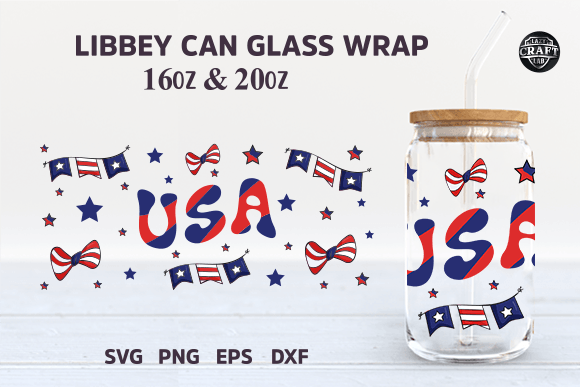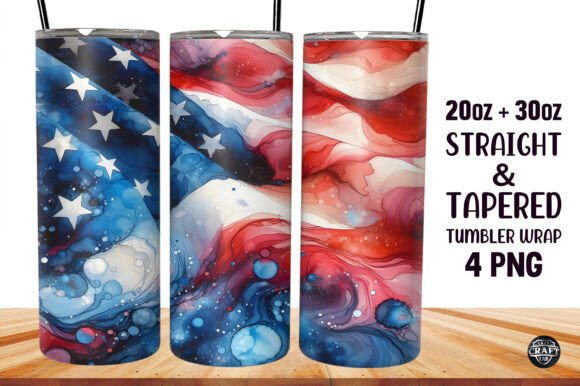
4th of July Skinny Tumbler Sublimation
I opened the download for the 4th of July Skinny Tumbler Sublimation design expecting the usual red-white-and-blue parade. What I got was something a little more thoughtful. The wrap layout immediately signals that someone understood how a skinny tumbler curve works—the placement feels intentional, not just a stretched graphic thrown onto a template. That matters more than most people realize, especially when you are thinking about how this same visual energy would translate to an embroidered product sitting on a craft fair table or inside an Etsy listing photo.
The mood is celebratory but not loud. There is a confidence in the composition that keeps the patriotic theme from tipping into costume territory. For an embroidery designer like me, that restraint is gold. It means the design could live on a kitchen towel without screaming, or on a toddler's bib without feeling like a bumper sticker. The visual personality lands somewhere between summer barbecue and boutique window display—and that is a surprisingly hard balance to nail.
When a graphic design meets the embroidery mindset
I know the 4th of July Skinny Tumbler Sublimation file is built for sublimation printing. The product description spells that out clearly: print files for skinny tumblers, 20oz and 30oz sizes, instant download. But I always look at design assets through an embroidery lens first. If the bones of a design are good enough, the visual language can carry over into stitched work beautifully. And this one has bones.
Here is the scenario that played out in my head the moment I saw the layout. I am prepping a small batch of handmade kitchen towels for a summer boutique drop. The towels are a natural linen blend, slightly textured, and I need a design that will read clearly from six feet away when someone walks past the display rack. The 4th of July Skinny Tumbler Sublimation wrap has the kind of balanced visual weight that would translate into a clean machine embroidery design—not too dense, not too sparse, with enough negative space to let the fabric breathe. I could picture the stitched version in my mind: rich navy thread, a crisp off-white, and a red that leans toward brick rather than fire engine. That color shift alone would elevate the finished product from crafty to curated.
The real test: imagining the stitch-out
Any experienced embroiderer knows that looking at a flat graphic and imagining it stitched is a skill built over hundreds of hooped projects. With the 4th of July Skinny Tumbler Sublimation design, I immediately started mentally breaking down the elements. The wrap layout suggests a rhythmic pattern—possibly stars, stripes, or textural fills—that would work well with a combination of satin stitch for borders and fill stitch for larger areas. If there are finer details like small stars or lettering, those would need a steady running stitch approach to avoid turning into blobs on textured fabric.
This is where I always pause and remind myself: test first. I would load this design onto my machine with a scrap piece of the exact linen I plan to use, run a sample, and check the stitch density under different lighting. Morning light shows everything. If the small details collapse or the thread tension pulls the fabric, I know to adjust before a single customer sees the finished product.
Where this design aesthetic belongs in embroidery projects
Patriotic themes can feel limiting, but the 4th of July Skinny Tumbler Sublimation design has a versatility that surprised me. I started listing the embroidery project ideas that made sense:
- Kitchen towels for summer hostess gifts
- Tote bag design for beach or farmers market use
- Custom apparel like lightweight linen shirts or denim jackets
- Embroidered patch sets for jean jackets or backpacks
- Baby embroidery on a soft cotton onesie for a July baby shower
- Sweatshirt embroidery with a vintage wash for a cozy Americana vibe
- Pillow covers for a porch swing or cabin porch
- Aprons for a barbecue-themed small shop product line
Each of these applications demands something slightly different from the design. A tote bag can handle a bolder, larger stitch area. A baby onesie needs softer edges and lighter density. The beauty of evaluating a design like the 4th of July Skinny Tumbler Sublimation is that its visual structure appears flexible enough to adapt. The theme is clear, but the execution does not box you into one product type.
The seasonal product window and why it matters
Let me be honest about the business side of holiday embroidery. Fourth of July designs have a tight selling season. You are looking at late May through early July for peak buyer interest. That means you need designs that work across multiple product categories so you can spread your inventory risk. If a design only looks good on one item, you are stuck if that item does not sell. The 4th of July Skinny Tumbler Sublimation wrap, even as a Graphics asset originally intended for Tumbler Wraps, has the kind of adaptable visual language that could support a broader product line—towels, totes, tees, and beyond.
I have learned the hard way that seasonal designs need to earn their keep quickly. A personalized gift with this design—say, a monogrammed towel set with the patriotic motif as a border accent—would photograph beautifully and command a higher price point. The customer perceives added value when the design feels intentional rather than generic.
Fabric choices and the caution list
Not every fabric plays nicely with detailed embroidery. When I evaluate a design like the 4th of July Skinny Tumbler Sublimation for stitching, I run through my mental checklist of surfaces to approach carefully:
- Stretchy fabric like ribbed knit or performance tees—distortion risk is high
- Thin fabric such as lightweight cotton voile—stabilizer choice becomes critical
- Textured fabrics like terry cloth or waffle weave—small details disappear
- Dark fabric—thread colors need to pop; test the contrast
- Curved surfaces like caps and hats—hooping challenges multiply
- Layered garments with seams or zippers—placement gets tricky
I would not put this design on a structured baseball cap without serious testing. The curved surface of a cap crown distorts patterns, and any tightly spaced elements in the 4th of July Skinny Tumbler Sublimation layout could warp in ways that disappoint the buyer. A flat surface like a tote bag panel or a towel is far more forgiving. For a handmade product business, those forgiving surfaces are where you build your reputation.
Stabilizer truths no one talks about
The difference between a professional commercial embroidery result and a hobbyist mess often comes down to stabilizer. For a design with the visual complexity that the 4th of July Skinny Tumbler Sublimation suggests, I would reach for a medium-weight cutaway stabilizer on woven fabrics and a no-show mesh on knits. Tear-away stabilizer would make me nervous if the design has dense fill stitch areas—the last thing you want is puckering around the edges of a finished towel that someone paid good money for.
I also make a habit of testing the design on a darker fabric even if I plan to stitch it on light backgrounds. Dark fabric reveals every gap in coverage, every uneven tension line, every thread color that looked right on the spool but washed out against the background. If the 4th of July Skinny Tumbler Sublimation design holds up on a navy towel, it will sing on cream linen.
Customer perception and the giftability factor
When a buyer scrolls through Etsy listings or walks through a craft fair, they make decisions in seconds. The 4th of July Skinny Tumbler Sublimation design has the kind of immediate visual recognition that stops a scroll. Patriotic themes trigger emotional connections—memories of fireworks, family gatherings, summer traditions. That emotional pull is what turns a casual browser into a buyer.
For an Etsy seller or craft business owner, the key is presenting the finished product in a way that feels personal. A set of embroidered napkins with this design aesthetic, photographed on a rustic table with lemonade glasses and fresh flowers, tells a story that a plain product shot never could. The printable mockup potential here is strong—even if the original file is a sublimation wrap, the visual elements can inspire styled photography that boosts buyer engagement.
Branding consistency across a product line
One thing I always consider when evaluating any design assets is whether they can anchor a cohesive collection. A small shop product line feels more premium when the designs share a visual thread. The 4th of July Skinny Tumbler Sublimation could serve as the centerpiece of a summer collection—appearing as a stitched motif on towels, a printed accent on thank-you cards, or a coordinating element on gift tags. That kind of consistency builds brand consistency and customer trust over time. Repeat buyers start to recognize your aesthetic signature.
Practical designer notes before you stitch
I have a running list of checks I perform before committing any design to a production run. If you are considering the 4th of July Skinny Tumbler Sublimation for an embroidery file adaptation or even as visual inspiration, here is what I would recommend:
- Test the design on scrap fabric that matches your final product exactly—do not assume cotton muslin behaves like linen or denim
- Check thread color contrast under both natural daylight and warm indoor lighting
- Review the stitch density on small details; if tiny stars or lettering close up, simplify before production
- Confirm your hoop size can accommodate the design without forcing it into a cramped space
- Inspect all small elements in a black-and-white printout to catch low-contrast issues
- Compare results on light and dark fabric backgrounds before committing to a full batch
- Use the proper stabilizer for your fabric type—do not cut corners here
- Verify licensing terms before selling finished products or digital embroidery files derived from the design
That last point about licensing deserves a pause. The product description states the 4th of July Skinny Tumbler Sublimation is an instant download with print files for skinny tumblers. If you plan to use the visual elements as a springboard for a digital embroidery file you intend to sell, or if you want to stitch the design onto products for commercial embroidery purposes, you need to confirm what the license allows. Do not assume. A quick message to the seller can save you from a headache later. Many designers are fine with handmade product use but draw the line at reselling the design files themselves.
Final assessment from the stitching table
The 4th of July Skinny Tumbler Sublimation design earns its place in my collection of go-to patriotic references. It is not the loudest design in the category, and that is exactly why I trust it. Loud designs burn out fast. This one has the quiet confidence of a well-composed layout that understands its purpose—to wrap a tumbler beautifully, yes, but also to inspire the kind of visual thinking that leads to beautiful embroidery projects.
For the craft business owner preparing for summer markets, the Etsy seller building a seasonal product line, or the hobbyist who wants their personalized gift to feel genuinely special, this design offers a strong foundation. It will not do the work for you—you still need to test, adjust, and present it thoughtfully—but the raw material is solid. And in a world of rushed, clip-art-style patriotic graphics, solid raw material is worth celebrating.