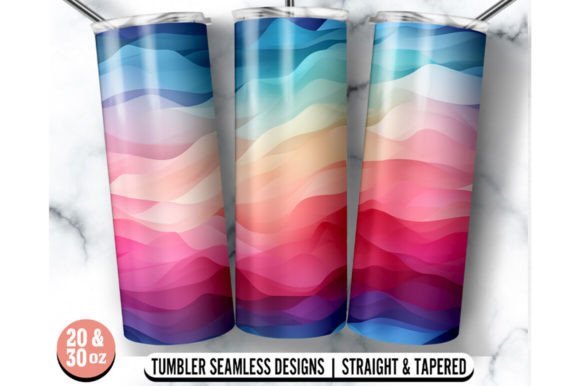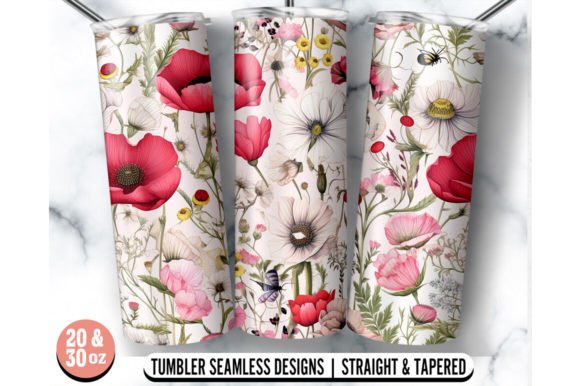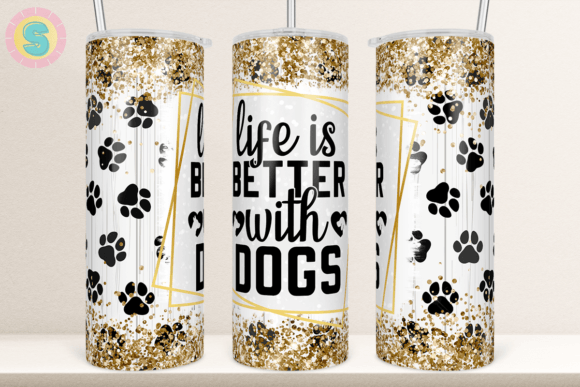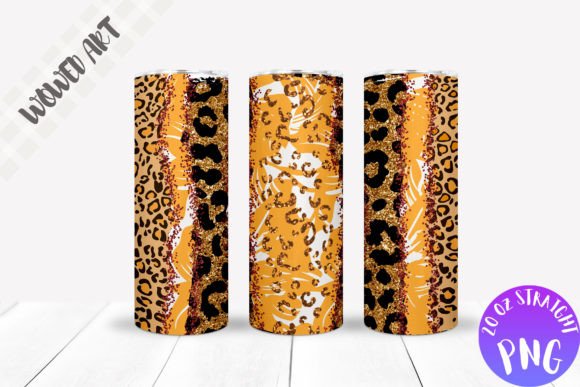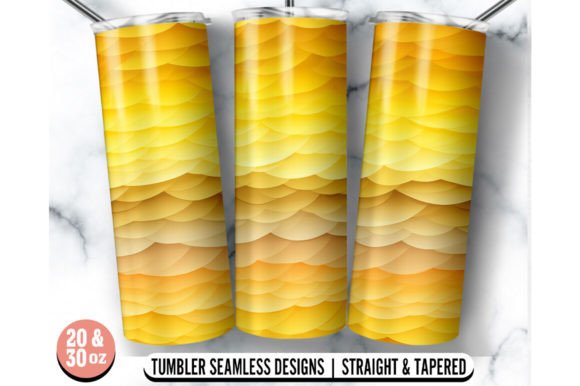
Yellow 20oz 30oz Skinny Tumbler Wrap
A Designer’s First Glance: Bright, Bold, and Built for Branding
When I opened the Yellow 20oz 30oz Skinny Tumbler Wrap, my first thought wasn’t “cute” or “trendy”—it was “this has presence.” The seamless wrap layout feels intentional, not just scaled to fit tumbler dimensions, but designed to command attention on curved surfaces. At 9.3 × 8.2 inches (20oz) and 10 × 9.4 inches (30oz), both at 300dpi, it’s clearly optimized for sublimation—but as a designer who regularly adapts graphics for embroidery, I immediately saw how its clean lines, balanced negative space, and strong yellow-centric palette could translate beautifully to stitched applications.
Real-World Use Case: Turning It Into a Boutique Sweatshirt Line
Last month, I was developing a small-batch collection of embroidered sweatshirts for a local café—think cozy, handmade, gift-ready pieces with subtle branding. I tested the Yellow 20oz 30oz Skinny Tumbler Wrap as a full-front chest design (scaled down to ~6.5 inches wide). On midweight cotton-blend fleece, the bold yellow read clearly against charcoal fabric, and the seamless flow meant no awkward breaks at shoulder seams. Customers responded well—not just to the color, but to how *integrated* it felt. It didn’t look like a sticker slapped on; it looked like part of the garment’s identity. That’s the quiet power of a well-proportioned, purpose-built graphic like this one.
Where It Shines in Embroidery Projects
- Custom apparel: Works especially well on sweatshirts, tote bags, and aprons where high-visibility branding matters.
- Personalized gifts: Its cheerful, modern tone fits baby embroidery (on onesies or bibs), holiday embroidery (as a mug sleeve motif reimagined as a pillow cover), and wedding gifts (think monogrammed tea towels with a coordinated border).
- Commercial embroidery: Because it’s built as a seamless template, it scales cleanly—ideal for small shop product lines where consistency across sizes (e.g., matching tumblers + totes + caps) strengthens brand recognition.
- Digital embroidery file prep: As a Graphics asset, it’s a smart starting point for converting into an applique design or satin-stitch border—just trace key outlines and simplify dense areas for stitch efficiency.
Where to Proceed Thoughtfully
The Yellow 20oz 30oz Skinny Tumbler Wrap isn’t inherently complex—but its impact depends on context. On thin fabric like lightweight linen tea towels, avoid heavy fill-stitch reinterpretations; opt instead for running stitch outlines or minimal satin borders. On stretchy fabrics (e.g., performance knit caps), test stabilizer pairing first—medium-weight cutaway helps maintain shape without adding bulk. And while the yellow reads brilliantly on light backgrounds, on dark fabric, double-check thread color contrast: standard yellow poly may mute slightly, so consider a brighter, more saturated thread (like Sulky Sunny Yellow or Madeira Classic Rayon #1027).
Also note: This is a sublimation-ready design—not a native embroidery file. If you’re using it for machine embroidery design work, treat it as a reference layout. You’ll need to digitize it properly—especially corners and curves—to avoid puckering or distortion on curved surfaces like caps or tapered mugs. Tiny lettering or fine interior details won’t survive dense stitching without simplification, so adjust stitch density accordingly.
How It Elevates Your Handmade Product—and Your Customer’s Experience
There’s a subtle psychology to yellow: it signals friendliness, energy, and approachability—perfect for craft business owners building trust through warmth and authenticity. When customers see that bright, confident wrap translated onto a hand-embroidered tote or nursery pillow, they don’t just see decoration—they see care, intention, and professionalism. That perception directly affects perceived value, repeat purchases, and Etsy seller ratings. I’ve watched buyers linger longer on listings featuring cohesive, well-adapted designs like this one—especially when paired with clean printable mockups showing real fabric texture and scale.
Practical Designer Notes Before You Stitch
- Always test on scrap fabric first—especially with textured or dark materials.
- Review stitch density if digitizing from the graphic: avoid overloading small areas with fill stitch.
- Confirm hoop size compatibility before digitizing—some versions may require multi-hooping for larger layouts.
- Inspect small details under magnification; what looks crisp on screen may need simplification for embroidery clarity.
- Test black-and-white mockups to ensure legibility and contrast without color reliance.
- Use proper stabilizer—cutaway for knits, tear-away for stable wovens—to preserve the design’s clean edges.
- Verify licensing terms before selling finished products or reselling adapted digital files—this is a Crafts category asset, but commercial use rights aren’t implied unless explicitly stated.
Final Thought: A Flexible Asset, Not a One-Size-Fits-All Template
The Yellow 20oz 30oz Skinny Tumbler Wrap doesn’t promise magic—it promises utility. It’s a thoughtful, scalable foundation, not a finished embroidery file. Used intentionally—as part of your creative process, not as a shortcut—it supports stronger branding, cleaner execution, and more confident client work. Whether you’re an Etsy seller launching your first embroidered mug sleeve line, a boutique owner curating seasonal kitchen towels, or a hobbyist making personalized baby gifts, this design earns its place in your toolkit by being adaptable, visually grounded, and quietly professional. Just remember: great embroidery starts with smart design choices—not just pretty pixels.